
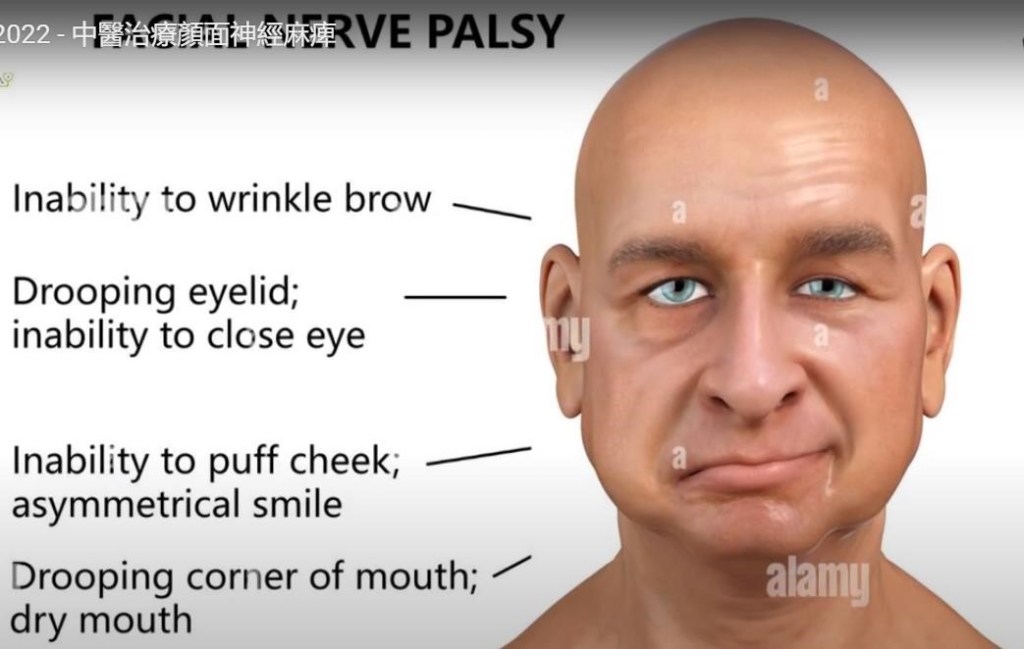
“Miantan” is a term in Traditional Chinese Medicine that refers to facial paralysis, which means the inability of facial muscles to move normally. In Western medicine, it is referred to as facial nerve palsy. Clinically, facial paralysis is divided into two types: central facial nerve palsy and peripheral facial nerve palsy.
Central facial nerve palsy is usually caused by cranial injuries or lesions, accompanied by changes in consciousness and hemiplegia of the limbs.
Peripheral facial palsy, also known as facial neuritis or Bell’s palsy, is the most common facial nerve disease, accounting for over 70% of facial paralysis cases. It is a non-specific inflammation of the facial nerve within the facial canal, leading to peripheral facial muscle paralysis. This condition is believed to be triggered by an immune response following viral or bacterial infections. It commonly affects individuals between the ages of 20 and 50. The damage occurs to the facial nerve on one side, resulting in paralysis of the expression muscles on the same side. Symptoms include the disappearance of forehead lines, inability to frown or wrinkle the forehead, incomplete eyelid closure, disappearance of the nasolabial fold, and when smiling, the corner of the mouth skews towards the unaffected side. Additional symptoms may include pain behind the ear, reduced taste sensation, hyperacusis (heightened sensitivity to sound), and dizziness.
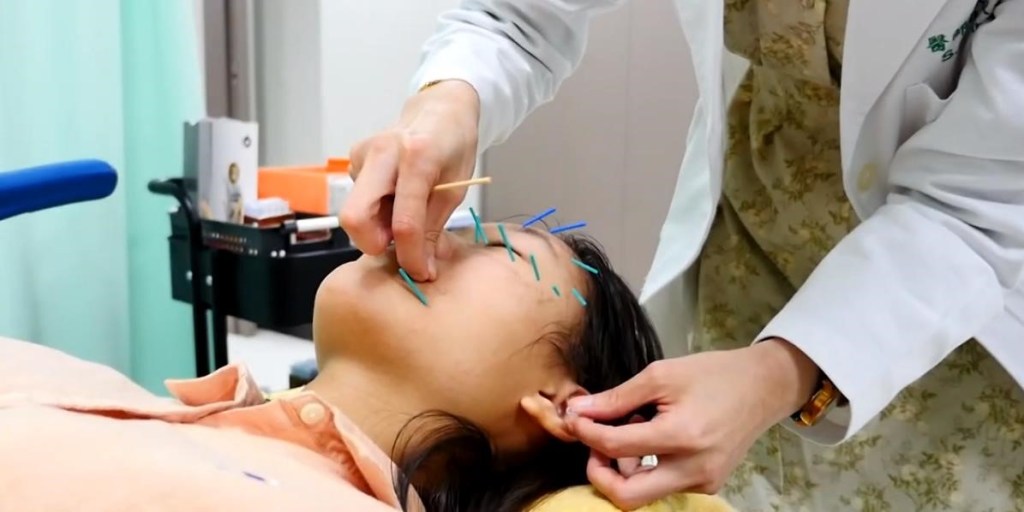
Acupuncture Therapy
Facial paralysis can be categorized into three stages: the acute phase, the recovery phase, and the post-effects phase.
During the acute phase, the condition is superficial, resulting from the invasion of pathogenic wind. There’s a struggle between the body’s healthy energy (zheng qi) and the pathogenic factors (xie qi). This stage is mostly characterized by excess symptoms, and the facial nerve is in an inflammatory and swollen state. Acupuncture is currently the most effective treatment for facial paralysis, especially in the early stages. The earlier the treatment, the better the outcome. It’s advisable to follow the principle of shallow needling for new conditions, meaning the acupuncture needles should be inserted superficially rather than deeply.
By the recovery phase, which spans from 2 weeks to a month after the onset, treatments like electroacupuncture can be incorporated. Most patients can recover during this stage.
In the post-effects phase, a minority of patients, due to severe nerve damage or the presence of other conditions that affect nerve recovery, may experience poor recovery. In such cases, a combination of tonifying and purging methods is used. Treatment measures can include the use of thicker needles (mang zhen) for deep puncturing, abdominal acupuncture (fu zhen), electroacupuncture, floating needle technique (fu zhen), and fire needle technique (huo zhen).
To prevent facial paralysis and facial muscle spasms, the key is to stay warm and protect oneself from the cold, especially avoiding prolonged exposure to cold wind on the face (don’t be tempted by the cool breeze). Regular exercise and physical training can enhance the body’s vital energy, or “zheng qi”. As the saying goes, “When zheng qi remains within, external evils cannot interfere.” When the body’s zheng qi is strong, pathogenic wind is less likely to invade. It’s also important to maintain a happy and relaxed spirit, ensure adequate sleep, and pay attention to one’s diet to both strengthen the constitution and enhance disease resistance.
If one develops facial paralysis, it’s crucial to seek medical treatment promptly. Opting for Traditional Chinese Medicine (TCM) treatments should be the first choice, as they address both the root cause and the symptoms, preventing potential after-effects. In winter, it’s essential to stay warm when going out and avoid letting cold wind blow directly on the body for extended periods, especially during sleep. This can reduce the risk of developing facial paralysis.
Generally, there are prodromal symptoms a week before the onset of facial paralysis. If one feels discomfort, numbness, or slight pain on one side of the face or behind the ear, or if there’s difficulty moving the face, it’s advisable to see a doctor early to prevent the onset of facial paralysis.

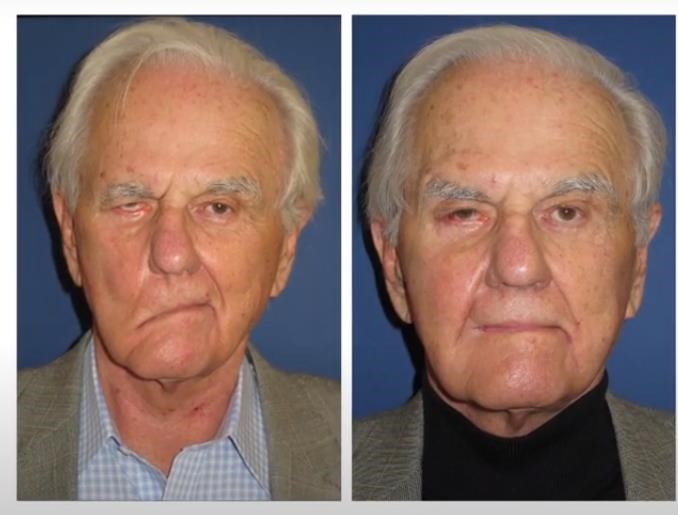
Facial paralysis means that the muscles and nerves of your face lose their autonomous function. If you are affected by this condition, you may be unable to move your eyebrows, lips, or other facial muscles. Facial paralysis can affect your smile and overall appearance. If you or a close relative have this condition, consulting with an acupuncturist at an acupuncture clinic can help restore facial coordination, symmetry, movement, and the ability to smile.
Make an appointment now: 9843630509
 HYT TCM